What is Southpaw Boxing Stance? Mastering the “Lefty” Advantage
Quick Answer: Guide to Southpaw Boxing Stance
A southpaw boxing stance keeps the right side (hand and foot) forward for jabs and the left side at the rear for powerful hooks, punches, and body shots, and is used by left-handed boxers.
Proper boxing southpaw stance involves weight balance, guard, correct foot placement, and hand positioning. Southpaws dominate with a lead right hook, straight left, and liver shots. Avoid neglecting the lead hand, circling into the opponent’s right hand, and squaring up.
Southpaws enjoy a significant strategic advantage over orthodox fighters due to their rarity (only 10% of the general population), creating an experience gap, awkward angles, a clear, direct path, and dominance in outside lead-foot battles.
— Researched by Muneeb Maqsood
SEO Expert & Content Writer at MMA Passion
1. What is a Southpaw Boxing Stance?
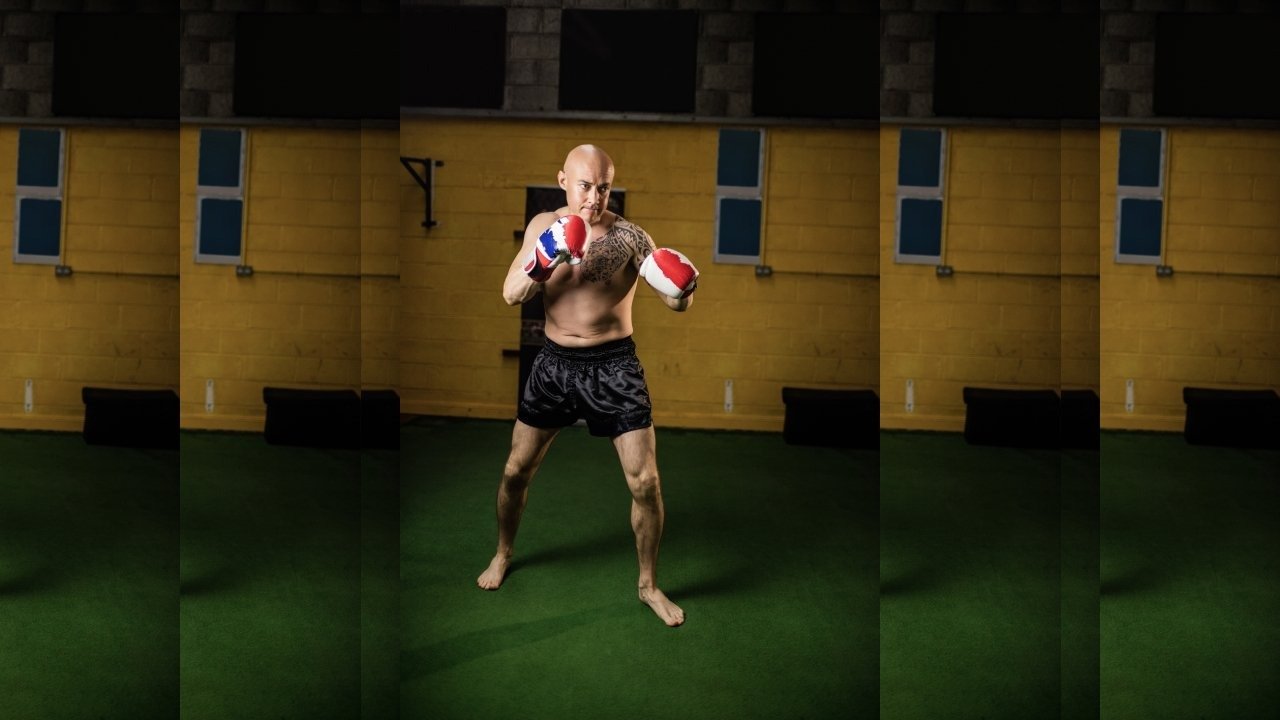
A southpaw stance in boxing denotes a left-handed boxer who keeps their right hand and foot forward while fighting. In this stance, their left hand and left foot are in the rear position, allowing them to deliver high-velocity, powerful hooks and crosses.
- The Lead Hand: Your right hand is forward and used for parrying your opponent’s attacks and for jabs.
- Foot Placement: Your left heel should be raised, and your right foot should be turned at a 45-degree angle and kept forward.
See also: What is Orthodox Boxing Stance? How Can You Master It?
2. Why is it Known as the Southpaw Boxing Stance?
Southpaw was used in baseball to describe left-handed pitchers. The term was later used in boxing for lefties. Some theories that explain the origin of the term “southpaw” are as follows:
- Southpaw is used to describe the orientation of baseball diamonds in which the home plate faces east. The left-handed pitcher in baseball would face south.
- In early baseball stadiums, the pitcher’s mound was on the field’s south side, hence the name southpaw.
See also: What Are Different Boxing Stances? Quick Guide
Some Interesting Research Facts About the Southpaw Boxing Stance
Southpaws enjoy a negative frequency-dependent advantage because they are present in only 10% of the population, creating unfamiliar angles for orthodox fighters. (Source)
Southpaws do not win more fights due to their stance. They just win more fights when they are in a ring with orthodox opponents. For an average fighter, the southpaw is a tactical handicap. (Source)
Southpaws enjoy a tactical advantage in their timing and angles, while orthodox fighters have more acceleration and force in punches. (Source)
Southpaw is a combat orientation that complements success in a ring. They enjoy long winning streaks, and the proportion increases among top-ranked fighters. (Source)
— Researched by Muneeb Maqsood
SEO Expert & Content Writer at MMA Passion
3. How to Set Up Your Southpaw Boxing Stance?
Follow these steps to build a solid foundation and align your body correctly:
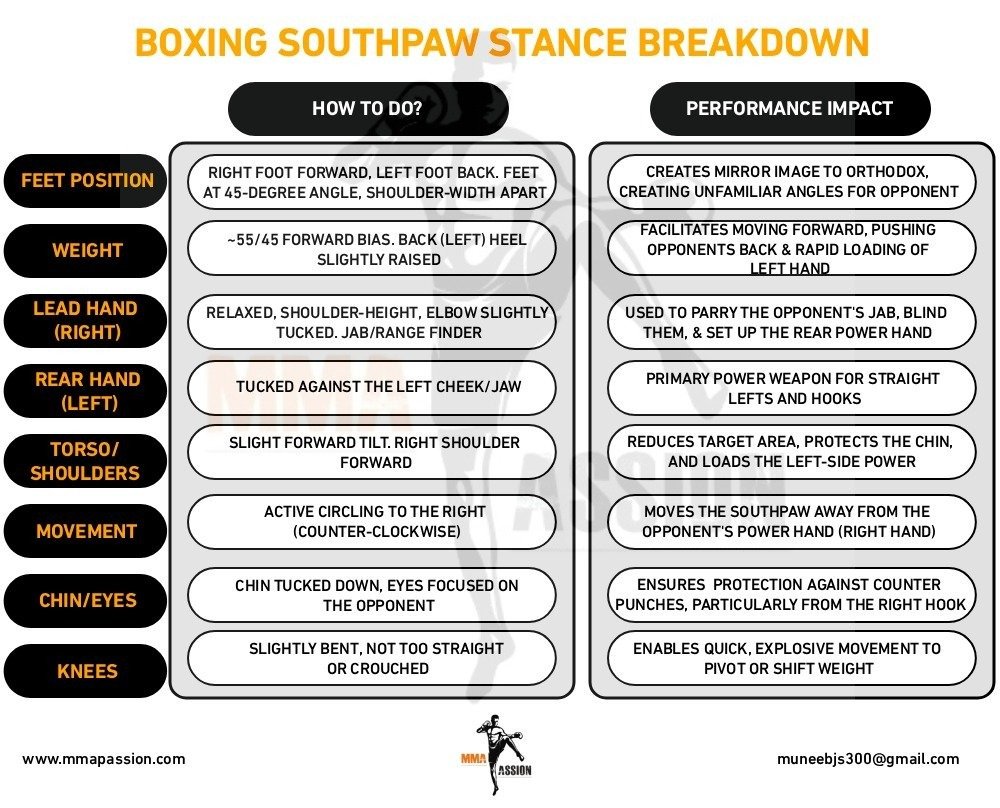
3.1 Foot Placement:
- Keep your toes at a 45-degree angle toward your opponent.
- Step back with your left foot and forward with your right foot.
- Keep your feet wide with the distance of your shoulders.
3.2 The Guard:
- Keep your chin tucked behind your lead shoulder.
- Tuck your elbows in to protect your ribs.
3.3 Weight Distribution:
You have two options here for weight distribution in the southpaw stance.
- You can put more weight on your back foot, i.e., 60/40.
- You can keep your weight centred by putting equal weight on both feet (50/50).
3.4 Hand Positioning:
- Keep your right hand in a leading position for jabs and measuring distance.
- Use your left hand for throwing powerful shots and keep it near your chin.
4. The “Lefty” Advantage: Why It Works?
The main reason for southpaws being at an advantage is that they are rare and make up only 10–12% of the population. Other strategic advantages of Southpaws, according to Muneeb Maqsood, SEO expert and content writer at MMA Passion, are as follows:
See also: Orthodox vs. Southpaw: The Ultimate Stance Guide
4.1 Experience Gap
Orthodox fighters mostly train with southpaws and fight 90% of the time against orthodox fighters. On the other hand, Southpaws fight mostly against orthodox. This gives southpaws a clear advantage and a dominant hand in combat.
4.2 Unfamiliar Angles
The Southpaw stance is the mirror of the orthodox stance. When they both fight each other (known as an open stance), the left cross of the southpaw often lands so quickly and unexpectedly that the orthodox fighter cannot see it coming. Punches come from unexpected directions.
4.3 Lead Foot Dominance
The main battle in an open stance (southpaw vs. orthodox match) is for the outside lead-foot position. Southpaws can dominate more easily in this battle by neutralising their opponent’s jab. They can do this by creating a clear path for their power shots by keeping their right foot on the outside of their opponent’s left foot.
4.4 The Liver Shot
Southpaws have a clear, direct path to land powerful body shots on an orthodox opponent in an open stance. They can also easily land a devastating kick to their opponent’s liver.
5. Key Southpaw Boxing Stance Weapons
As we often highlight at MMA Passion, the key weapons of southpaw fighters are given below:
5.1 The Straight Left (Power Cross)
You can land a powerful shot to your opponent’s chin after winning the outside foot battle because of having a clear and direct path. This is your “money punch.”
5.2 The Right Hook (Lead Hook)
The right hook comes from a sneaky angle, which cannot be easily defended by orthodox fighters because they are not used to it.
5.3 The Liver Shot
The southpaws land their rear left kick directly on their opponent’s liver.
6. Common Pitfalls to Avoid
Southpaws must stay disciplined to avoid the common pitfalls, such as:
6.1 Squaring Up
Don’t keep your feet too wide because it makes you an easy target by reducing your mobility.
6.2 Walking into the Right Hand
Move your head off the centreline and keep your left hand higher to defend against the Orthodox fighter’s straight right threat.
6.3 Lazy Lead Hand
Don’t keep your lead hand lazy and idle. Use it effectively for finding range and primary defence.
7. Fact-Checking Elite Fighter Stances
7.1 What is the Boxing Stance of Max Holloway?
The primary fighting stance of Max Holloway was orthodox, but he can seamlessly switch to southpaw to create angles and is considered one of the best switch-hitters in MMA.
See alsoSwitch Hitting Boxing: Best Ways to Switch Stances in Boxing
7.2 What is the Boxing Stance of Conor Benn?
Conor Ben is a traditional orthodox fighter and explosive puncher.
7.3 What is the Boxing Stance of Bryce Mitchell?
Bryce Mitchell is a southpaw stance fighter and uses his unique striking entries and high-level grappling to dominate opponents.
7.4 What is the Boxing Stance of Conor McGregor?
Conor McGregor is a southpaw and famous for using his straight left hand for precision-based “Celtic Cross.”
7.5 What is the Boxing Stance of Manny Pacquiao?
Manny Pacquiao is a southpaw stance fighter and is known for his blistering speed and as the greatest southpaw in boxing history.
7.6 What is the Boxing Stance of Chris Eubank Jr.?
Chris Eubank Jr. is a primarily orthodox fighter with high athleticism.
7.7 What is the Boxing Stance of Anderson Silva?
Anderson Silva is a southpaw fighter known for his legendary counterstriking.
7.8 What is the Boxing Stance of Mike Tyson?
Mike Tyson was an exclusive orthodox fighter. He followed a “Peek-a-Boo” style under his legendary trainer, Cus D’Amato. In this style, he used his strong left hand to lead powerful left hooks.
Frequently Asked Questions (FAQ)
Q1: What Is The Definition Of A Southpaw Stance In Boxing?
A southpaw is a stance (perfect for left-handed) or fighter in boxing in which the right side (hand and foot) is kept forward for jabs, while the left side is kept at the rear for powerful punches.
Q2: What Are The Best Southpaw Boxing Techniques, Styles, And Combinations?
Southpaws rely on open guard techniques such as the lead hook (hook wrapping around the guard), the straight left (power punch), common combos (right jab with straight left (1-2), straight left, lead right hook, straight left (2-3-2), the double jab (stepping outside opponent’s lead foot).
Q3: How Do You Fight Or Box Against A Southpaw?
The three essentials to fight a southpaw (as an orthodox fighter) are keeping your lead foot outside your opponent’s, the straight right punch, and circling away from their power hand.
4: What Are The Best Strategies And Defensive Moves For A Southpaw?
The best strategy and defensive moves for a southpaw stance include controlling the lead hand to disrupt the opponent’s rhythm, winning outside foot battle, and mastering the lead shoulder roll by keeping the rear hand high to defend the liver.
Q5: Who Are Some Famous Southpaw Fighters?
The most famous southpaws are Manny Pacquiao, Pernell Whitaker, Oleksandr Usyk, and Marvin Hagler.
Q6: Is A Southpaw Stance Better Than An Orthodox Stance?
No boxing stance is inherently better. It depends on the boxer how well they utilize the stance. But the southpaws have a rarity factor that gives them a strategic advantage over the orthodox fighters.
Q7: Where Can I Find A Southpaw Boxing Gym?
Try to find the gyms in which coaches can train both southpaw and orthodox stances. You should not focus entirely on the gym name, including the “Soutpaw” in its brand. Ensure you are training at a highly capable, reputable institute where you can learn the skills and techniques you need. But if you want to learn a southpaw, then don’t go for orthodox if you cannot find one, as this is a common mistake.
Q8: Where Did The Term “Southpaw” Originate?
The term southpaw originated from baseball in the 19th century, in which a pitcher (left-handed) faces south while throwing arm. It was first used in boxing in 1860 during a bare-knuckle match.
Q9: What Are The Best Southpaw Stance Tips For Fighting?
The best southpaw stance tips include winning outside foot battle, keeping lead hand higher to parry jabs, straight lets in the center, and avoiding opponent’s rear punch by circling clockwise.